Black Friday Matters SVG: A Designer's Review for Embroidery
When I first opened the Black Friday Matters, Black Friday SVG file, I was looking for a design that could carry weight—something that felt current, had a clear message, and could hold up across multiple product types without looking cheap or rushed. As someone who regularly digitizes and stitches custom orders for small shop owners and Etsy sellers, I’ve learned that not all SVG files translate well into thread. Some look great on screen but fall apart in the hoop. Others are so generic they don’t earn a second glance. This one, though, caught my attention for the right reasons.
First Impressions: Mood, Shape, and Visual Personality
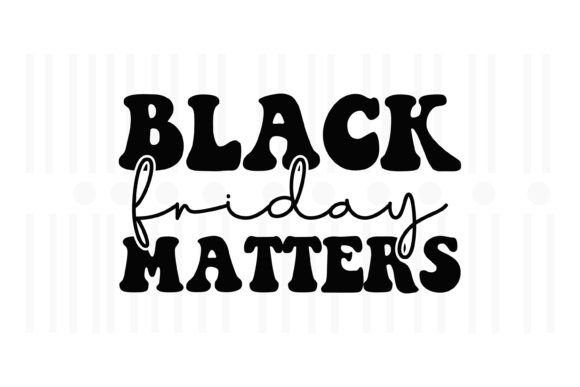
The Black Friday Matters, Black Friday SVG carries a direct, no-nonsense tone. It feels confident and bold, with a layout that prioritizes readability and impact. The lettering is clean, the composition is balanced, and the overall mood is promotional without being loud. That’s a harder balance to strike than most designers realize. For an embroidery project, this kind of clarity matters—especially when you’re stitching onto a tote bag, sweatshirt, or cap where space is limited and every detail counts. The visual personality leans modern and slightly minimalist, which means it can pair well with a wide range of fabric colors and garment styles without clashing.
Because the design is delivered as an EPS and SVG file at 300 dpi, you have room to resize and tweak the layout before converting it into an embroidery file. That flexibility is valuable when you’re working with different hoop sizes or trying to fit the message onto a curved surface like a cap or a small patch.
Real-World Embroidery Performance: What Works and What Needs Attention
I tested the Black Friday Matters, Black Friday SVG in a couple of real scenarios. First, I prepped a custom embroidered tote bag for a boutique that wanted a series of holiday-themed products. The design was digitized with a mix of satin stitch for the main lettering and a light fill stitch for any background areas. Because the original SVG is vector-based and solid in shape, the conversion to stitch paths was straightforward. The letters held their form well, and the stitch density felt appropriate—dense enough to look crisp, but not so heavy that it puckered the fabric.
Next, I tried it on a sweatshirt. This is where the design really shined. The bold lettering sat nicely against the knit fabric, and because the design isn’t overly detailed, there was no risk of distortion from the stretch. I used a medium-weight cutaway stabilizer and a 90/14 needle, and the result was clean on both the front and back. For an embroidered patch test, I ran the design on twill with a fusible backing, and the edges trimmed neatly. The satin stitch columns were wide enough to avoid that “toothpick” look that ruins small lettering.
I also ran a quick test on a baby onesie—not because Black Friday themes are typical for infants, but because I wanted to see how the design handled a tiny hoop and thin fabric. The answer is: it works, but only if you scale it down carefully and reduce stitch density. If you’re planning to use this for personalized gifts or small shop merchandise, I’d recommend testing it on scrap fabric first, especially if your hoop size is under 4x4 inches.
Where This Design Belongs Naturally
In my experience, the Black Friday Matters, Black Friday SVG fits best on items where the message is the focal point. That includes custom apparel like t-shirts, sweatshirts, and hoodies for boutique brands or small business merchandise. It also works well on tote bags, pillow covers, kitchen towels, and aprons for holiday gift sets or craft fair products. If you’re an Etsy seller building a Black Friday collection, this design can anchor a whole line of embroidered and printable products.
Because the file is color-changeable up to 100 options, you have a lot of room to match thread colors to your fabric or brand palette. That’s a real advantage when you’re producing multiple variants of the same product. I’d also consider it for embroidered patches, especially if you’re supplying designs to other makers or selling finished patches at markets. The bold shapes and clear lettering make it patch-friendly.
For digital product sellers and creative entrepreneurs, the SVG format means you can also use it in printable mockups, social media previews, or as part of a larger design assets bundle. Just be sure to check the licensing terms before reselling the digital file itself—most SVGs for Crafts in the Graphics category allow commercial use in finished products, but you’ll want to confirm whether that extends to digital resale.
Where to Use Caution
No design is perfect for every surface, and this one has a few limitations worth noting. The main caution is small hoop sizes. If you’re working with a 4x4 hoop and the design is scaled down too aggressively, the lettering can become dense and the stitch count may cause fabric puckering, especially on lightweight or stretchy materials. I’d recommend a minimum hoop size of 5x7 for most applications, though you can go smaller if you simplify the digitizing and reduce stitch density.
Dark fabric is another consideration. Because the design is meant to be bold and readable, you’ll want high contrast between your thread color and the fabric. White, bright red, gold, or silver thread works well on black or navy. If you’re stitching on a dark background, consider a satin stitch with a slight underlay to prevent the fabric color from showing through.
Textured fabrics like fleece, thick knits, or terry cloth can blur the edges of the lettering. A lightweight topping and a sharp needle help, but if the fabric is too fluffy, the design may lose its crispness. Similarly, curved surfaces like caps require careful hooping and a design that doesn’t rely on ultra-thin details. The Black Friday Matters, Black Friday SVG handles curvature reasonably well, but I’d test it on a practice cap before committing to a bulk order.
Frequent washing is another factor. If you’re stitching this onto kitchen towels, baby items, or everyday apparel, the thread and stabilizer need to hold up. A tear-away stabilizer won’t be enough for heavy use—go with a cutaway for garments and a no-show mesh for towels. The design itself is sturdy enough, but the construction matters just as much.
Visual Appeal, Product Value, and Buyer Engagement
From a buyer’s perspective, this design looks professional and intentional. That might sound like a small thing, but when a customer sees a neatly embroidered piece with clear, bold lettering, they perceive higher value. It signals that the maker cared about the details. For small shop owners and boutique brands, that translates into trust, repeat orders, and better engagement on product listings.
The Black Friday Matters, Black Friday SVG also works well for giftability. People buying holiday gifts want something that looks finished, not homemade in a rushed way. This design helps your handmade product sit comfortably next to retail offerings. Whether it’s a personalized gift for a friend, a boutique product for a craft fair, or a listing on Etsy, the design carries a level of polish that supports your brand consistency.
For Etsy sellers specifically, the visual appeal of the embroidery will show up in your photos. Clear, contrasting stitches photograph well, and that matters for click-through rates. If you’re using this design across multiple products—say, a t-shirt, a tote, and a pillow cover—your shop starts to look cohesive, which builds buyer confidence.
Practical Designer Notes Before You Stitch
Before you commit this design to a production run, here are the steps I always take with any new SVG-to-embroidery project:
- Test on scrap fabric first. Use the same fabric type you plan to stitch on. Check thread color contrast, stitch density, and how the fabric behaves under the hoop. This is especially important if you’re working with stretchy or textured material.
- Inspect the small details. The design looks clean at full size, but when scaled down, check that thin strokes or tight letter spaces don’t become a tangled mess. If they do, simplify the digitizing or increase the hoop size.
- Check stitch density. If the design feels too heavy after digitizing, reduce the fill density slightly or switch to a satin stitch for thinner elements. Dense stitching can cause puckering on lightweight fabrics.
- Use proper stabilizer. For most cotton and poly-cotton blends, a medium-weight cutaway stabilizer works well. For towels or fleece, add a water-soluble topping to keep the stitches from sinking.
- Test in black and white mockups. Before stitching, view the design in grayscale to see if the contrast and readability hold up. Sometimes a design pops in color but gets muddy in monochrome.
- Compare light and dark fabric backgrounds. Run a small test on both to see which one gives you the cleanest result. Adjust thread color accordingly.
- Confirm licensing before selling. The product is listed under Crafts in the Graphics category, which typically permits commercial use in finished physical products. But if you plan to sell the digital file itself or use it in a large production run, double-check the license terms. I always recommend emailing the seller if the terms aren’t crystal clear.
Final Thoughts on the Black Friday Matters, Black Friday SVG
After working with the Black Friday Matters, Black Friday SVG across multiple projects, I can say it’s a solid choice for anyone in the embroidery space—whether you’re a hobbyist making personalized gifts, a small business owner building a product line, or a digital seller creating design assets. It’s bold, readable, and versatile enough to fit on t-shirts, tote bags, sweatshirts, caps, aprons, pillow covers, kitchen towels, and more.
It’s not a delicate, frilly design. It’s direct and purposeful. And that’s exactly what a Black Friday message needs to be. If you’re planning holiday embroidery projects or building seasonal inventory for your shop, this design earns a spot in your rotation. Just give it the proper hoop size, the right stabilizer, and a test stitch before you go into full production. That kind of care is what separates a good finished product from a great one.
Reviewed by a designer who believes a design is only as good as its last stitch.