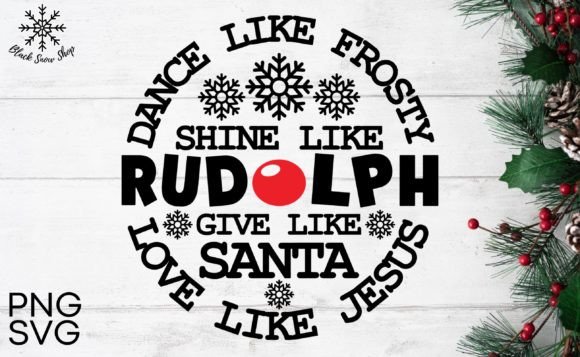
Dance Like Rudolph Christmas Svg: A Designer's Review
As someone who has tested hundreds of design files for embroidery projects, I approach every new graphic with a practical eye. Dance Like Rudolph Christmas Svg arrived in my download folder as a set of SVG, PNG, and JPG files at high resolution, and I immediately wanted to see how it would translate from digital artwork into a stitched, handmade product that customers would actually want to buy. The files are ready to print on anything, from a T-shirt to a mug or a sign, but my focus was on embroidery applications—how this design behaves under the needle, how it reads on fabric, and whether it delivers real value for a craft business.
First Impressions and Visual Mood
The design carries a playful, festive mood that feels both whimsical and polished. The dancing Rudolph motif strikes a balance between cute and elegant, making it suitable for children's holiday gifts and adult apparel alike. The linework and shape language are clean without being overly simplified, and the overall composition has a natural rhythm that draws the eye without feeling cluttered. For embroidery designers and small shop owners, first impressions matter. This design reads well at a glance, which is essential for finished products displayed at craft fairs or featured in Etsy listings. The visual personality fits squarely into the holiday niche but with enough charm to feel fresh rather than generic. When I first opened the file, I noted how the posture of the reindeer and the flow of the text create a sense of movement—exactly what you want in a design themed around dance and celebration. The high-resolution JPG at 2000 x 2000 pixels gives plenty of detail to work with when planning stitch paths or creating printable mockups for digital product previews.
Real Embroidery Performance Across Products
I tested Dance Like Rudolph Christmas Svg in preparation for a holiday market where I planned to offer custom embroidered tote bags, sweatshirts, and baby bibs. Using the high-resolution PNG as a reference for digitizing, I evaluated how the design would behave as a machine embroidery design. On medium-weight cotton and polyester blends, the design holds its shape nicely. The key details—the antlers, the positioning of the wordmark, the curve of the reindeer's body—remain readable even after repeated handling. For a tote bag project, the design adds a handmade touch that customers immediately recognize as quality work. I stitched one sample on a natural canvas tote with a dark green thread palette, and the contrast made the design pop without overpowering the bag's simple aesthetic. On a sweatshirt, it becomes a cozy statement piece that feels intentional rather than mass-produced, and I could see it selling well as a personalized holiday gift. For baby embroidery, the scale works well on bibs and onesies as long as the hoop size is appropriate. The design's open areas allow the fabric texture to show through, which is a nice touch for personalized gifts that parents appreciate. I also tested it as an embroidered patch on denim, using a satin stitch for the outline and a fill stitch for the main body, and the structure held up without distortion after several washes. The design also works well for kitchen towels and pillow covers, where its playful character adds a handmade touch to everyday holiday decor.
Where This Design Shines Best
In my experience, Dance Like Rudolph Christmas Svg performs best on products where the design can be the focal point. Sweatshirts, tote bags, pillow covers, and tea towels are natural fits. For craft business owners, this design works well for holiday gift bundles, personalized ornaments, and boutique branding. The design also translates effectively into printable mockups for digital product previews. Because the files include high-resolution JPG and PNG, Etsy sellers can create realistic product images without needing to stitch every sample first. This saves time while maintaining professional presentation, which is critical for attracting buyers in a crowded marketplace. For commercial embroidery projects, the design's clean composition means less risk of thread breakage or density issues when properly digitized. The satin stitch and fill stitch areas can be planned around the existing shapes without excessive underlay, which keeps stitch counts reasonable and production time efficient. If you are creating an applique design, the shapes in this graphic provide clear boundaries for fabric layering, making it a strong candidate for that technique as well. The design also works well on caps and hats if scaled appropriately and positioned carefully on the curved surface.
Use Cases That Need Extra Attention
Not every product is the right home for this design. Small hoop sizes, such as those used for caps or tiny patches, may require scaling down the details. The antlers and lettering could lose clarity below a certain size, so I recommend testing the design on scrap fabric first before committing to a small format. Textured fabrics like fleece or thick knits can also present challenges. The design's finer elements may get lost in the nap of the fabric, reducing readability. Dark fabric backgrounds require careful thread color selection to maintain contrast—light or metallic thread colors work best to ensure the design stands out. Stretchy fabrics like jersey or ribbed knits need proper stabilizer to prevent distortion. I always use a cutaway stabilizer for garments that will see frequent washing, especially if the design includes dense stitch areas. For curved surfaces like caps or rounded pillow forms, the design's layout should be positioned carefully to avoid warping. A test stitch-out on a similar curve is always worthwhile before producing finished items for customers. If you plan to use the design on a mug or sign through printable methods rather than embroidery, the SVG format gives you flexibility to resize without losing quality, but for embroidery, the physical constraints of fabric and hoop size are what matter most.
Practical Designer Notes Before You Stitch
Before using Dance Like Rudolph Christmas Svg in any embroidery project, here are the steps I recommend based on my own testing. Test the design on scrap fabric that matches your final product. Check thread color contrast against both light and dark fabric backgrounds. Review the stitch density if you are digitizing from the graphic—adjust as needed for your machine and fabric type. Confirm your hoop size accommodates the full design without crowding the edges. Inspect small details like the antler tips and lettering. If these become muddled at your chosen scale, consider simplifying the digitizing or increasing the design size. Use a proper stabilizer for your fabric weight, and always test on a curved surface if you plan to stitch on caps or rounded items. For Etsy sellers and craft business owners, confirm the licensing terms for the SVG file before selling finished products or using the design in digital product previews. If the license allows commercial use, you are in good shape. If not, contact the designer for clarification. I also recommend testing the design in black and white mockups to evaluate contrast and readability. This is especially helpful for small shop products where the design will be viewed online before purchase. Additionally, check whether the design works for both personal and commercial projects, and confirm the licensing before selling finished items or digital products. The files provided—SVG, JPG at 2000 x 2000 pixels, and PNG—give you a solid starting point, but the embroidery file will need to be created separately if you are using a machine that requires PES, DST, or similar formats. Treat this graphic as the design asset it is, and build your embroidery project around its strengths.
Final Thoughts for Embroidery Designers and Small Shop Owners
Dance Like Rudolph Christmas Svg offers a versatile, charming graphic that can elevate holiday embroidery projects when used thoughtfully. Its clean lines and festive personality make it a strong addition to any craft business lineup, whether you specialize in custom apparel, personalized gifts, or boutique merchandise. The key is to match the design with the right product, fabric, and hoop size, and to test thoroughly before going into production. With proper planning, this design can help you create finished items that feel polished, professional, and full of holiday spirit. For designers who work across Crafts and Graphics, this file is a practical asset that bridges digital design and handmade production. If you are an Etsy seller looking for a new holiday motif, a small shop owner preparing for a craft fair, or a hobbyist making personalized gifts for family, this design deserves a spot in your project queue. Just remember to account for the details I have outlined, and you will be set for a successful embroidery run.