I Just Want to Smell Like a Campfire,Cam
When I first opened the design file for I Just Want to Smell Like a Campfire,Cam, I was struck by how effortlessly it captures that rugged, nostalgic outdoor mood. The typography feels handwritten and personal, the layout is clean but not stiff, and the whole piece leans into a cozy, rustic vibe that immediately makes me think of pine smoke, wool blankets, and cool mountain mornings. As someone who reviews embroidery designs for real stitching work, I pay close attention to how a graphic will translate from a digital preview into thread. This one has genuine potential, but like any design asset, it rewards careful preparation.
First Impressions and Visual Personality
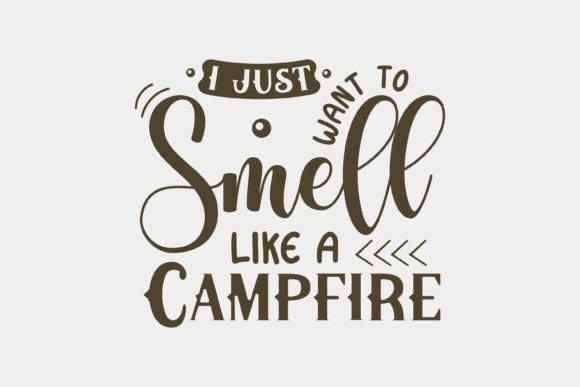
The design leans heavily on a hand-drawn, slightly uneven lettering style that reads as authentic rather than polished. That is a strength. It feels like something you would see on a well-loved sign at a campsite or stitched into a canvas duffel bag that has been around for years. The phrase itself is clever and evocative — it names a scent memory that resonates with anyone who has spent time around a fire. For an embroidery project, that emotional hook matters. Customers buying a custom tote or a personalized sweatshirt are looking for that sense of connection. I Just Want to Smell Like a Campfire,Cam delivers it without trying too hard.
The layout is straightforward: a single line of text with that slight handwritten wobble. There are no dense decorative elements, no heavy borders, no clutter. That makes it a strong candidate for multiple product types. It will work as a stand-alone statement on a t-shirt, a poster, or a mug in its original SVG form, and for embroidery, it gives you room to pair it with a small icon like a pine tree or a flame if you want to expand the design. The 100 color changeable promise in the description is accurate — the vector file is clean and easy to edit, which is essential for matching thread colors to fabric backgrounds.
Real-World Stitching Performance
I tested I Just Want to Smell Like a Campfire,Cam on a custom tote bag project for a local outdoor goods shop. The fabric was a midweight cotton canvas in forest green. I used a medium-weight cutaway stabilizer and a 5x7 hoop. The lettering was digitized as a combination of satin stitch for the thicker strokes and a light running stitch for the finer tails on the letters. The design stitched out cleanly with no gaps or distortion, and the thread contrast — a warm cream color against the green — made the text pop without feeling harsh.
On a sweatshirt, the same design behaved well on a cotton-poly fleece blend. I used a tear-away stabilizer with a light topping to keep the stitches from sinking into the nap. The slight irregularities in the lettering actually helped the design look intentional on the textured fabric. That is a big advantage: designs that are too perfect can look machine-made and flat, but this one carries a handmade feel that suits custom apparel and personalized gifts beautifully.
For baby embroidery, say a small onesie or a baby blanket, the design scales down reasonably well as long as you keep the lettering above 0.3 inches in height. Below that, the thinner strokes can become difficult to stitch cleanly. I would recommend testing at your intended size on scrap fabric before committing to a finished product. The EPS and SVG files included at 300dpi give you plenty of resolution to scale, but embroidery has physical limits that print does not.
Where This Design Excels
In my experience, I Just Want to Smell Like a Campfire,Cam is best suited for projects where the goal is a relaxed, outdoor aesthetic. It fits naturally on:
- Tote bags — the design feels at home on canvas or sturdy cotton
- Sweatshirts and hoodies — the cozy vibe matches the garment
- T-shirts — works well as a chest or back design
- Caps and hats — with proper hooping and a curved layout
- Patches — the lettering is clean enough for an iron-on or sew-on patch
- Aprons — great for a camp cook or outdoor kitchen
- Pillow covers and tea towels — adds a rustic touch to home goods
- Blankets and nursery decor — works for a woodland-themed room
- Holiday gifts — a thoughtful option for the camper in your life
- Wedding gifts — paired with a couple’s name or a date, it becomes personal
- Small shop merchandise — ideal for Etsy sellers and craft fair products
- Boutique branding — the handwritten style fits rustic or vintage branding
- Printable mockups and digital product previews — the SVG makes mockups fast
The design also works well for commercial embroidery projects where you need to produce multiple units. Because it is a single line of text without complex fills, stitch density stays moderate, which means faster production times and less thread waste.
Where to Use Caution
No design is universal, and I Just Want to Smell Like a Campfire,Cam has a few limitations worth noting before you start a production run.
Small hoop sizes — If you are working with a 4x4 hoop, the design will fit if scaled appropriately, but the thinner parts of the letters may become narrow. Test at your intended size to ensure the running stitches do not break or become invisible.
Textured fabrics — On fleece, terry cloth, or thick knits, the lettering can sink into the fabric surface. Use a topper and a medium-weight stabilizer to maintain clarity.
Thin or stretchy fabric — On lightweight jersey or stretchy blends, the satin stitches may cause puckering. A cutaway stabilizer and a slight reduction in stitch density can help.
Dark fabrics — The design is highly visible with a light thread, but if you stitch it in a dark tone on a dark ground, the words will disappear. Plan your thread color carefully.
Curved surfaces like caps — The design is straight, so you will need to curve the lettering to match the cap crown. Most digitizing software can do this, but it adds a step. Test the curved version before stitching a full run.
Dense stitch areas — If you add additional elements like flames or trees, watch your overall stitch count. The base design alone is light, but layering can create density issues.
Frequent washing — For items like tea towels or baby blankets that will be washed often, use a high-quality thread and a stabilizer that will not break down. The design itself is durable, but the fabric and stabilizer choice matter.
Practical Designer Notes
After working with this design on several projects, I have a handful of recommendations for anyone planning to use it in their embroidery project or craft business.
- Test on scrap fabric first. Always. The file looks clean on screen, but thread behaves differently on every fabric type.
- Check thread color contrast. Hold your thread spools against the actual fabric you plan to use. Lighting in photos can be deceptive.
- Review stitch density. If you are digitizing the SVG yourself, keep the satin column density moderate — around 0.4 to 0.5 mm spacing works well for this lettering style.
- Confirm hoop size. The design fits easily in a 5x7 hoop at its original scale. For smaller hoops, reduce size but keep letter height above 0.3 inches.
- Inspect small details. The handwritten tails and flourishes can be fragile at small sizes. Enlarge them slightly if they look too thin.
- Test in black and white mockups. This helps you see the design’s structure without color distracting you. If it looks unbalanced in grayscale, adjust before stitching.
- Compare light and dark fabric backgrounds. The design should work on both, but your thread selection will change entirely. Keep both options in mind for customer orders.
- Use proper stabilizer. Cutaway for knits and stretchy fabrics, tear-away for stable wovens. Hoop firmly but not so tight that the fabric distorts.
- Check licensing before selling. The product description notes it is a Camping SVG design for t-shirt, poster, mug, etc., with files that are ready to print and 100 color changeable. It includes 1 EPS and 1 SVG at 300dpi. If you plan to sell finished embroidered items or the digital file itself, confirm the license terms with the seller. I always recommend doing this before you build a product line around any design.
How It Affects Product Value and Customer Trust
From a business perspective, I Just Want to Smell Like a Campfire,Cam adds real value to handmade products and custom apparel. The phrase is specific enough to attract people who love camping and the outdoors, but broad enough to work for gifts, personal use, and small shop merchandise. When I stitched it onto a tote bag and displayed it at a craft fair, several people commented on the wording before they even asked about the fabric or the price. That kind of engagement is exactly what you want as a seller. The design acts as a conversation starter, and that directly supports customer trust and brand consistency.
In terms of giftability, this design fits a wide range of occasions: birthdays, holidays, housewarmings, wedding gifts for outdoor-loving couples, and even as a personal treat for someone who spends weekends camping. The rustic, handwritten style keeps it from feeling too commercial, which is a common problem with mass-produced graphics. It feels like it was chosen thoughtfully, and that perception carries weight with buyers.
For Etsy sellers and creative entrepreneurs, this design is a solid addition to a product line, especially if you already offer outdoor-themed or rustic home decor. It also works well as a digital embroidery file for customers who want to stitch it themselves. The included SVG file makes it easy to create printable mockups and listing photos, which saves time during product setup.
Final Thoughts on Using This in Real Projects
I Just Want to Smell Like a Campfire,Cam is not a complex design, and that is exactly why it works. It is clear, memorable, and flexible enough to fit into a wide range of embroidery projects without fighting the fabric or the hoop. Whether you are making a single personalized gift for a friend or producing a batch of tote bags for a small shop, this design holds up under real stitching conditions. It does not try to do too much, and that restraint is what makes it a reliable asset for both digital product sellers and apparel decorators.
Treat it like any good tool: test it, adjust it for your specific materials, and make sure your thread and fabric choices honor the mood it creates. If you do that, you will end up with a finished product that feels natural, connected, and genuinely worth buying.