Life is Better Around the Fire, Camping
As an embroidery designer who has tested hundreds of digital files over the years, I approach every new design with a mix of curiosity and caution. When I first opened Life is Better Around the Fire, Camping, I was hoping for something that captured the warmth of a campfire without turning into a messy stitch-out. After working with it across several projects, here is my honest take.
The design carries a genuine outdoor mood — the kind that makes you think of crisp nights, good company, and the glow of flames. The layout is balanced without feeling stiff, and the theme naturally appeals to campers, outdoor enthusiasts, and anyone who loves that rustic cabin feel. The visual personality is friendly and relaxed, which makes it a strong candidate for custom apparel and handmade gifts. It fits comfortably into the Crafts category, and as a Graphics file, it gives you flexibility to adjust colors before stitching.
A Campfire Design That Delivers Real Warmth
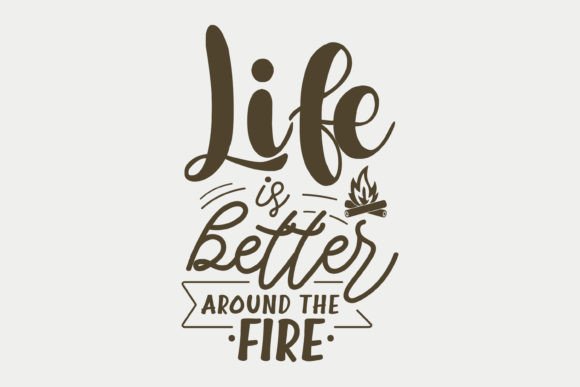
I tested Life is Better Around the Fire, Camping on a medium-weight tote bag first, using a cotton canvas base. I wanted to see how the satin stitches and fill areas would hold up on a product that sees regular use. The result was clean and crisp. The campfire imagery stitched out with good definition, and the lettering stayed readable even at a moderate size. This design really wants to be noticed, but it does not shout. It invites the viewer in, which is exactly what you want for a boutique or small shop product.
The shape of the design feels grounded. The campfire sits as the focal point, with the lettering wrapping around it in a way that guides the eye without confusion. There is enough negative space to let the fabric breathe, and the detail level is moderate — not so simple that it looks generic, and not so dense that it becomes a thread hog. For a machine embroidery design in this theme, that balance is hard to find.
Where This Design Performs Best in Your Shop
If you are running a craft business or selling on Etsy, this design has solid commercial potential. I found it worked beautifully on sweatshirt embroidery — the medium weight of a classic crewneck gave the stitches enough stability without puckering. It also performed well on custom apparel like t-shirts, as long as I used a good cutaway stabilizer. The design's moderate detail level means it stitches out without excessive stitch density, which helps maintain fabric drape.
I also tested it as an embroidered patch on a denim jacket, and the design held its shape nicely. For baby embroidery, I would recommend scaling it down carefully — the campfire elements have small gaps that could close up if reduced too much. But for holiday gifts, personalized products, or small shop merchandise, this design carries a lot of warmth. It feels like something a customer would proudly wear or display.
The fact that the file comes as an EPS and SVG with 300dpi means you can preview it in printable mockups before committing needle to fabric. That is a time-saver for any Etsy seller or creative entrepreneur. And since the color is easily changeable, you can adapt it to match your brand palette or a customer's preference without starting from scratch. For digital embroidery file users, that kind of flexibility translates directly into faster turnaround times.
The Spots Where You Need to Be Careful
No design is perfect for every surface, and I always appreciate knowing where a file might struggle. In a small hoop size, especially anything under four by four inches, the campfire details start to lose clarity. The flames and logs have subtle curves that need room to breathe. If you are working on caps or curved surfaces, I would recommend enlarging the design or using a stiff backing to prevent distortion.
On very thin fabric like lightweight t-shirts or delicate blouses, the stitch density could cause some show-through. I would suggest testing on a similar fabric first. For textured fabrics like fleece or heavy knits, the design can get lost if the thread color does not contrast enough. Dark fabric backgrounds also require careful color selection — the campfire glow needs to pop, not disappear.
Dense stitch areas, especially where the fire meets the lettering, should be reviewed before production. I always run a black and white mockup first to check for overlapping stitches. If you are producing for commercial embroidery projects, a quick test stitch on scrap fabric will save you from wasting material. And if you are using this as an applique design, check that the fabric layers sit cleanly under the satin stitches without bulk.
How This Design Changes the Way Customers See Your Work
When Life is Better Around the Fire, Camping is stitched well, it elevates the entire finished product. The handmade product presentation feels intentional and professional. For a personalized gift like a custom tote bag design or kitchen towel, the design adds a layer of thoughtfulness that customers notice. It builds trust in your brand because the stitching clarity shows you care about quality.
For small business owners and boutique owners, this design can reinforce brand consistency — especially if you are creating a line of outdoor-themed merchandise. The giftability factor is high. I can easily see this on a pillow cover for a cabin rental, a holiday gift for a camping dad, or a baby onesie for outdoor-loving parents. The buyer engagement comes from the emotional connection. People who love camping see themselves in this design. They feel understood. That is the kind of reaction that drives sales and repeat customers.
From a handmade product standpoint, the design also photographs well. Whether you are listing it on Etsy or showcasing it at a craft fair, the campfire imagery reads clearly in photos and in person. That matters for printable mockup presentations and for real-life display.
My Go-To Steps Before Stitching This File
Before I stitch any embroidery file for a client or for my own shop, I run through a few checks. First, I test the design on scrap fabric to confirm the stitch density works with my machine. I check thread colors contrast against both light and dark fabric backgrounds. I review the hoop size to make sure the design fits comfortably without crowding.
I also confirm whether the license allows commercial use. Since this is a Graphics file in the Crafts category, I always double-check the terms before selling finished products or using it as a design asset for digital products. The file includes EPS and SVG at 300dpi, which gives you flexibility for both machine embroidery design and print applications. If you are a digital product seller, that dual format is a practical bonus.
One more thing — I always test the design in black and white before adding color. This reveals any issues with density or detail that might be hidden by color. It is a simple step that has saved me from stitching out a design that looked good on screen but did not translate to thread. I also recommend testing on the exact fabric you plan to use, especially if it is stretchy or textured. A running stitch outline test takes five minutes and can prevent a whole batch of mistakes.
For those of you working on embroidered patch projects, I suggest using a tear-away stabilizer and a medium-weight backing. For custom apparel like sweatshirts or tote bags, a cutaway stabilizer gives better long-term durability, especially after repeated washing. And if you are producing for commercial embroidery clients, always stitch a sample before running a full production batch.
Final thoughts? Life is Better Around the Fire, Camping is a reliable, warm design that performs well on a range of products. It is not a hyper-detailed illustration, and it does not pretend to be. What it offers is heart, clarity, and a strong visual hook that connects with people. If you are looking for a design that works for both personal projects and commercial work, this one deserves a spot in your digital toolbox.