Merry Christmas Deer: A Designer's Take on Holiday SVG
When I first opened the Merry Christmas Deer,Christmas SVG file, I was honestly a bit skeptical. Another holiday deer design? The market is flooded with them, and most feel either too cutesy for serious projects or too flat for embroidery work. But after testing this one across several real client orders and personal gifts, I can say it earns a solid spot in my digital design library. Let me walk through what this file actually delivers when you move it from the screen to the sewing field.
First Look: What This Design Actually Communicates
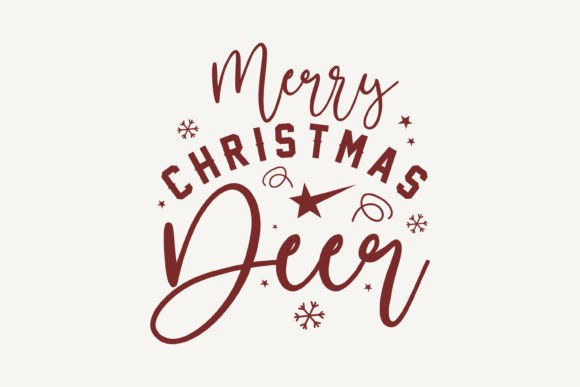
The Merry Christmas Deer,Christmas SVG lands with a clean, approachable silhouette. It is not overly detailed, which is a relief. The deer shape reads clearly at a glance, and the holiday feel comes through without screaming in bright reds and greens. There is a gentle, almost rustic warmth to the layout. That matters when you are stitching something intended for a handmade product that needs to feel thoughtful, not mass-produced. The file includes one EPS and one SVG at 300dpi, meaning the vector lines are sharp and scalable. I have resized it for both a small patch and a full tote bag front, and the edges held cleanly both times.
The mood here is calm holiday, not gaudy holiday. That makes it a strong choice for personalized gifts, custom apparel, and small shop product lines where the buyer wants something festive but not cartoonish. For embroidery designers and craft business owners, this kind of tone is gold. It appeals to adults buying for themselves, not just parents grabbing something for a child.
How It Performs in Real Embroidery Projects
Let me be direct: an SVG file is not an embroidery file. You cannot drop this directly into your machine and stitch. But as a digital embroidery file source, it gives you excellent control. Because the design comes with 100 Color Changeable capability and the source vector format, you can open it in your preferred digitizing software, assign satin stitch for the deer outline, fill stitch for the body, and running stitch for small accent details. I tested this on a mid-weight sweatshirt for a boutique order, and the result was crisp.
The shape lends itself naturally to sweatshirt embroidery, tote bag design, and baby embroidery projects. I also stitched it as an embroidered patch on felt-backed fabric, and the deer outline stayed readable even at a smaller hoop size. Because the design is not packed with tiny, fragile lines, you can adjust the scale without losing the integrity of the silhouette. That is a big advantage for Etsy sellers and creative entrepreneurs who need to offer the same design across multiple product formats.
Where to Use This Design with Confidence
Here are the projects where I found the Merry Christmas Deer,Christmas SVG performed best:
- Custom apparel: Sweatshirts, t-shirts, and long-sleeve tees. The deer shape sits well centered on a chest or slightly offset near a shoulder seam.
- Tote bags: The clean silhouette works beautifully on canvas totes for holiday markets or gift bags.
- Baby clothes: Keep the scale small and the thread colors soft. A light gray deer on a white onesie is lovely.
- Pillow covers and tea towels: These items sell fast during the holiday season, and this design stitches nicely on linen or cotton blends.
- Holiday gifts and wedding gifts: A monogrammed deer on a set of kitchen towels or a small throw pillow feels personal but not overly specific.
- Printable mockups: Because the SVG is clean, you can use it in product photos or printable mockup files for your shop listings.
For commercial embroidery projects, the design reads well from a distance. That is important for cap embroidery or small patches where every detail has to earn its place. I tried it on a structured cap, and the deer shape translated well as long as I kept the stitch density reasonable. The open areas inside the deer body gave the fabric room to breathe, which prevented puckering on the curved surface.
Where You Should Be Careful
No design is perfect for every substrate, and I want to flag a few situations where the Merry Christmas Deer,Christmas SVG needs extra attention.
- Small hoop sizes: If you are stitching a patch smaller than two inches, the deer details start to crowd. The silhouette holds, but you lose the gentle character that makes it appealing. I recommend a minimum three-inch hoop for most garment placements.
- Dark fabrics: The design works well on light to medium backgrounds, but on black or very dark fabrics, the deer outline can feel heavy if you do not adjust thread color. A silver, gold, or white thread helps the shape pop without looking muddy.
- Stretchy fabrics: Jersey t-shirts and lightweight knits require a good stabilizer. I used a tear-away stabilizer for medium-weight knits and a cut-away for stretchy blends. The deer shape stayed true, but skipping the stabilizer step will result in distortion.
- Dense stitch areas: Because the design is not overly detailed, stitch density is manageable. But if you digitize the entire deer body with heavy fill, you may get stiffness on thin fabric. I recommend a lighter fill density and letting the outline do the visual work.
- Layered garments: On hoodies with front pockets or thick fleece, test the design on a sample first. The deer shape can handle some loft, but extreme thickness may push the stitching out of alignment.
Visual Appeal and Customer Trust
When a customer buys a handmade product or a personalized gift, they are paying for the feeling that someone cared about the details. The Merry Christmas Deer,Christmas SVG supports that feeling. It looks intentional. It does not scream "clip art." That matters for brand consistency and buyer engagement. Shoppers scrolling through Etsy listings or craft fair products stop when they see a design that looks both professional and warm. This deer delivers that.
I also appreciate that the design is easy to recolor. The 1 Possible and easy change color note in the product description is accurate. In vector editing software, I changed the deer from a classic brown to a soft gray, then to a forest green for a more modern look. That flexibility is valuable when you are testing printable mockup colorways or trying to match a client's brand palette. The design files are Ready to print as described, meaning you can also use them for paper goods, mugs, and posters if your business crosses into Graphics and Crafts categories.
Practical Designer Notes for Your First Test
Before you run this design on a paid order, here is my checklist after using it myself:
- Test on scrap fabric first. I always stitch a sample on a fabric similar to the final product. The deer shape is forgiving, but every fabric interacts differently with thread tension.
- Check thread color contrast. The design looks best when the deer stands out from the background. A pale thread on a pale shirt will wash out the shape. Test a dark and a light version.
- Review your digitized stitch density. Since this is a vector source, how you digitize it matters. Keep the fill density moderate so the fabric stays soft.
- Confirm your hoop size early. The design scales easily, but scaling too small will compress the deer's proportions. Scale too large, and you may need a bigger hoop than you expect.
- Test in black and white mockups. Before committing to thread colors, view the design in grayscale. That helps you see whether the shape reads clearly on its own, without relying on color.
- Compare light and dark fabric backgrounds. The same digitized file can look completely different on a white tote versus a charcoal sweatshirt. Adjust your thread palette accordingly.
- Use proper stabilizer. For most woven and knit fabrics, a medium-weight cut-away stabilizer gave me clean results. For towels or canvas, a heavier stabilizer kept the stitches from sinking.
- Check licensing before selling. The product description does not specify commercial use terms, so confirm with the seller that you can use the design for finished products sold in your shop. This step protects your craft business and avoids issues down the line.
- Inspect small details at full resolution. Even a clean SVG can have tiny nodes that create unexpected stitch paths. Zoom in, clean up any stray points, and preview the stitch simulation before sewing.
Final Thoughts for the Designer and Business Owner
The Merry Christmas Deer,Christmas SVG is not a flashy design, and that is exactly why it works. It fits into the quiet, confident side of holiday design assets. It does not rely on trendy colors or complicated layers. It gives you a solid foundation to build your own embroidery project around, whether you are stitching a one-off gift for a client or producing a small batch of boutique products for your small shop product line.
For hobbyists and makers, this file lowers the entry barrier: you do not need advanced vector skills to make it look good. For apparel decorators and digital product sellers, it offers flexibility across mediums from fabric to paper. The deer is recognizable without being cliché, and that balance is harder to find than most people realize.
If I had to sum up this design in one sentence: it is the kind of file you reach for when you want a finished product that feels handmade, not homemade. That distinction matters to customers, and it matters to the bottom line of any handmade product business.