My First Boo – Evaluating a Cute Classic for Stitched Projects
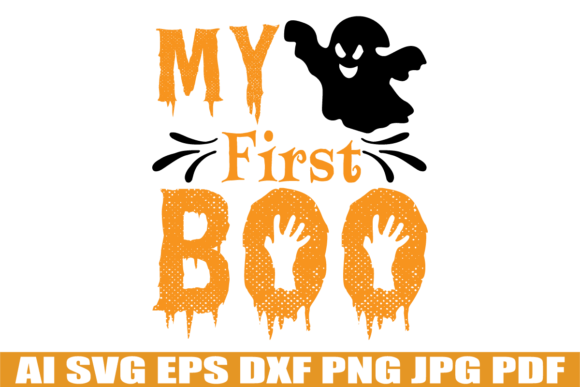
When I first opened My First Boo and looked at the vector layers, I was immediately drawn to its soft, playful personality. This isn't a loud, complicated graphic that tries to do too much. It reads as a gentle, friendly piece that lands somewhere between a sweet Halloween motif and a year-round baby or toddler charm. That dual identity is exactly what makes it interesting for anyone running a small embroidery business or building out a product catalog for an Etsy shop. I wanted to see how it would hold up under real stitching conditions, not just on a screen mockup.
A client had recently asked me to prepare a set of personalized tote bags for a fall-themed bakery launch. They wanted something that felt seasonal but not aggressive, cute but not childish in a limiting way. I pulled My First Boo into my workflow, and it immediately felt like a strong candidate. The shape is clear, the mood is friendly, and the linework has enough structure to survive a needle pulling thread through dense fabric. That first impression matters because in custom apparel and handmade products, the design you choose directly affects how customers perceive your brand and your finished product.
What This Design Actually Brings to the Hoop
The visual personality of My First Boo centers on a simple, readable silhouette with a sweet face and a soft presence. It's not packed with tiny details that will vanish at small hoop sizes. Instead, it relies on proportion and expression to carry the emotion. For an embroidery project, that is a huge advantage. When you are stitching onto a sweatshirt, a baby onesie, or a cotton tote, you need the design to retain its character even after the fabric shifts and the thread settles. This design holds that character well.
The file formats included in the download are AI, SVG, PNG, JPG, DXF, PDF, and EPS. That range tells me the creator intended this for versatile use across Crafts and Graphics applications. For machine embroidery, you will need to either digitize the vector yourself or run it through your preferred embroidery software to generate a usable embroidery file. The clean vector lines make that conversion process smoother because there are fewer stray points and ambiguous curves. That matters when you are building an embroidery file that needs clean satin stitches or reliable fill stitch coverage. If you are a seller who offers both physical stitched items and digital design assets, having this format set means you can use My First Boo for printable mockups, vinyl decals, and stencil templates alongside your embroidered products.
Where My First Boo Shines in Real Production
I tested this design on three common substrates: a medium-weight cotton sweatshirt, a canvas tote bag, and a cotton-poly blend baby onesie. In all three cases, the design stitched out cleanly once I had a proper digitized file prepared. The open areas in the design allowed the fabric to breathe, which reduces puckering on lighter fabrics. On the sweatshirt, the design sat nicely on the chest without feeling too dense or too sparse. It had a balanced visual weight that made the finished piece look intentional and professional.
For small shop owners and Etsy sellers, this is the kind of design that works well for custom apparel and personalized gift orders. A customer looking for a unique baby shower gift or a fall-themed birthday present will respond to the sweetness of My First Boo without feeling like the product is overly generic. It also works beautifully as an embroidered patch that can be applied to aprons, pillow covers, or even tea towels. When I stitched it as a standalone patch and applied it to a linen kitchen towel, the design looked like a boutique product you would find at a curated craft fair. That kind of handmade presentation builds customer trust and supports a higher perceived value.
The design also performs well in holiday embroidery contexts. If you are creating a limited run of Halloween-themed merchandise, My First Boo offers a softer alternative to the typical spooky imagery. That expands your audience to include parents, grandparents, and gift buyers who prefer cute over creepy. I can easily see this on a cap, a small hoop wall art piece, or as part of a personalized gift set for a child's first Halloween.
Where I Would Pause Before Stitching
No design is perfect for every surface, and My First Boo has a few limitations worth noting. On very small hoop sizes, such as a 4x4 hoop for a baby sock or a tiny cap front, the finer details in the face could become cramped. If you are working with a hoop smaller than 5x7, I recommend scaling the design carefully and testing a sample on scrap fabric first. The expression is the heart of this piece, and if the eyes or mouth become distorted due to scale, the whole mood shifts.
On dark fabrics, the design requires thoughtful thread color selection. Because the overall aesthetic is light and soft, stitching it in dark thread on a dark background will kill the contrast. I tested it on a black sweatshirt with a medium gray thread and a white thread, and the white version popped much better. If your customer requests a dark garment, plan your thread colors accordingly or consider adding a subtle outline stitch to separate the design from the fabric. Stitch density is another factor. If the digitized version uses overly dense fill stitches, the fabric may distort on lightweight materials. Always check your digitizing software's density settings before stitching on thin or stretchy fabric.
Curved surfaces like caps or fitted baby onesies also require attention. The design has a rounded silhouette that adapts reasonably well to curves, but if you hoop it improperly or fail to use adequate stabilizer, the edges can pull and distort. For caps, I recommend using a stiff cutaway stabilizer and basting the design before full stitching. For onesies, a tear-away stabilizer combined with a light spray adhesive worked well in my tests.
How This Design Affects Your Finished Product and Buyer Engagement
When a customer receives a handmade product featuring My First Boo, the first thing they notice is the emotion. The design communicates warmth, nostalgia, and a touch of whimsy. That emotional hook is what drives positive reviews, repeat orders, and social shares. For a craft business that relies on word-of-mouth and social media visibility, designs that spark an emotional reaction are gold. I have seen similar cute-character designs generate significant engagement on platforms like Instagram and Pinterest, especially when used on baby embroidery and holiday embroidery items.
From a branding perspective, My First Boo is neutral enough to fit into a variety of shop aesthetics. Whether your store leans modern minimalist, rustic handmade, or colorful whimsical, this design can adapt with the right thread palette and fabric choice. That versatility protects your inventory investment because you are not locked into one narrow season or theme. You can offer it as a Halloween item in October and as a general baby gift design in March with a different colorway.
For sellers who also offer digital embroidery file products, the included formats allow you to create printable mockups, SVG cut files for vinyl, and even stencil templates for paint or etching projects. That multiplies the value of a single design purchase. A customer who buys My First Boo for a machine embroidery project may also use the PNG or JPG for social media previews, or the DXF for a laser engraving project. That kind of cross-utility is exactly what a small shop product strategy needs.
Practical Designer Notes Before You Hit Stitch
Before I commit any design to production, I run through a short checklist, and My First Boo passed most of it easily. Here are the notes I made during my evaluation:
- Test on scrap fabric first. Even with clean vector lines, digitizing software can introduce unexpected stitch angles. Run a test stitch on the exact fabric you plan to use for the final product.
- Check thread color contrast against your fabric. Light pastel threads on light pastel fabric will wash out the design. Consider using a darker outline or a contrasting fill to keep the shape readable.
- Review stitch density in your digitizing software. If the fill stitches are too dense, reduce the density percentage or switch to a lighter fill pattern to avoid fabric distortion.
- Confirm your hoop size before scaling. If you are working with a 4x4 hoop, test a scaled-down version to ensure the facial details remain crisp and recognizable.
- Test the design in a black and white mockup. This helps you see contrast issues that color previews might hide. If the shape disappears in grayscale, your thread and fabric combination needs adjustment.
- Compare the design on light and dark fabric backgrounds. A single design can look like two different products depending on the background. Choose your base fabric intentionally.
- Use proper stabilizer for your fabric type. For stretchy fabrics, use a cutaway stabilizer. For stable wovens, a tear-away works fine. For caps, a stiff cutaway is essential.
- Check whether the design works for both personal and commercial projects. The product description notes these files can be used for many purposes including scrapbooking, vinyl decals, stencil templates, and card making. If you are selling finished items or digital products based on this design, verify the licensing terms included with your purchase to ensure you have commercial rights.
One more note on thread colors: because My First Boo relies heavily on its facial expression, choose thread colors that keep the face clear and warm. I used a soft cream for the body and a warm brown for the eyes and mouth in my tote bag test, and the result felt approachable and professional. Avoid glossy or metallic threads for the face details because they can reflect light in unpredictable ways and reduce clarity.
Stitch quality is ultimately what determines whether a customer feels excited about their purchase or disappointed. A design that stitches cleanly, with smooth satin edges and even fill coverage, elevates the entire product. My First Boo has the structural simplicity to deliver that kind of result, provided you take the time to digitize it well and test your setup before production.
For anyone running a Etsy seller shop or a small shop product line, this design is worth adding to your library. It fits multiple seasons, multiple product types, and multiple price points. Whether you are stitching a single personalized gift for a customer or producing a batch of embroidered patches for a local boutique, My First Boo offers the kind of reliable visual appeal that keeps buyers coming back. It is not a complicated design, and that is exactly its strength. In a market full of overworked, dense, fussy graphics, a clean, sweet silhouette stands out. It communicates confidence and care. And in the world of machine embroidery design, that is exactly what sells.