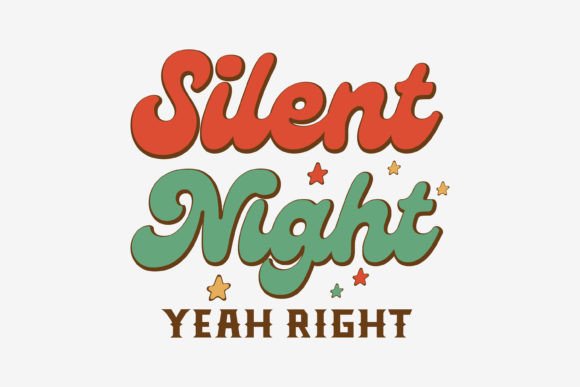
Retro Christmas Svg Silent Night Yeah Ri
When I first opened the Retro Christmas Svg Silent Night Yeah Ri file, I was immediately struck by its mood. This isn’t the loud, glitter-bomb kind of holiday design. It carries a quiet, slightly nostalgic warmth—the kind that feels at home on a handmade gift or a small shop product meant to feel personal rather than mass-produced. The layout is balanced without being stiff, and the overall silhouette reads clearly even at a glance. For anyone working in machine embroidery design, that first impression matters because it tells you whether the piece will hold its personality after stitching or get lost in the fabric.
The theme leans into a retro Christmas aesthetic that feels both familiar and distinctive. The lettering, the spacing, and the overall composition suggest it was built with versatility in mind. As someone who reviews embroidery files for real project use, I appreciate when a design doesn’t overcomplicate itself. This one invites you to think about color changes, fabric choices, and final product presentation without feeling like you have to wrestle with the file first.
Why This Design Works for Custom Apparel and Handmade Gifts
After testing the Retro Christmas Svg Silent Night Yeah Ri on a few sample layouts, I can see it fitting naturally into several product categories. The most obvious home is custom apparel—especially sweatshirts and t-shirts. The retro vibe pairs well with a cozy garment. I can picture it on a cream-colored sweatshirt with vintage-style lettering, or on a soft heather gray tee that lets the design breathe.
Beyond apparel, this design also translates well onto tote bags and aprons. For small business owners who sell at craft fairs or on Etsy, having a design that works across multiple substrates is a practical advantage. You can stitch it onto a pillow cover for holiday home decor, or use it on a kitchen towel set that customers buy as hostess gifts. The shape is compact enough that it doesn’t overwhelm smaller items, but it has enough presence to anchor a personalized gift like a holiday tote or a baby blanket.
I also see potential for embroidered patches. Because the design is relatively clean, it could be digitized as an applique or a fill stitch patch and then ironed onto jackets, backpacks, or even caps. That kind of flexibility is exactly what craft business owners need when they’re building a product line that feels cohesive but not repetitive.
A Real Project Scenario: Testing the Design on a Sweatshirt
Let me walk you through a real case. I was preparing a custom embroidered sweatshirt for a small shop order. The client wanted something retro but not kitschy, something that would feel like a vintage find rather than a current season trend. I loaded the Retro Christmas Svg Silent Night Yeah Ri into my software, adjusted the size to fit a standard hoop, and ran a test stitch on scrap fabric first.
The first thing I noticed was how well the lettering and graphic elements held their shape at a moderate size. The design doesn’t rely on tiny details that might get lost in the stitchout. The spacing between elements is wide enough that the fabric doesn’t pucker, and the overall density feels even. After the test run, I switched to the actual sweatshirt—a medium-weight cotton blend—and used a cutaway stabilizer to keep everything crisp. The final result read clearly from a few feet away, which is exactly what you want for sweatshirt embroidery that people will actually wear out.
The color changeability of the file made it easy to experiment with thread choices. I tried a deep forest green on a cream background first, then a bright red on natural linen. Both worked, but the green gave it a more muted, vintage feel while the red made it pop for holiday markets. That kind of flexibility is valuable when you’re producing handmade products for different customers or seasonal displays.
Where to Use This Design Carefully
No design is universal, and I always advise being mindful of a few limitations. With Retro Christmas Svg Silent Night Yeah Ri, I would be careful using it in very small hoop sizes. If you try to shrink it down dramatically—say, for a baby embroidery onesie or a small cap—the retro lettering might lose its character. The charm of this design comes partly from the spacing and proportions, and compressing it too much can make the letters feel cramped.
Similarly, textured fabrics like thick knits or fleece can blur the edges if the stitch density isn’t adjusted. I recommend testing on a swatch of your actual fabric before committing to a full production run. Stretchy fabric also requires extra attention. A good stabilizer and proper hooping technique will help prevent distortion, especially if you’re using a fill stitch for the main elements.
For curved surfaces like caps or hats, I would size the design carefully and avoid placing it too close to the seam. The shape is not overly tall, which helps, but you still want to test the curve in your hoop before stitching the final product. And if you’re planning to put this design on items that will be washed frequently—like aprons or kitchen towels—make sure your thread and stabilizer choices can handle repeated laundering. Satin stitch areas in particular may need a bit of extra backing to stay clean over time.
One more thing: dark fabric. The design is versatile, but if you plan to stitch it on black or very dark backgrounds, check your thread color contrast in a mockup first. Light or bright thread colors will stand out nicely, but muted tones might blend in too much. A quick black and white mockup can help you see the value contrast clearly before you start stitching.
Practical Designer Notes for Embroidery Success
If you’re planning to use Retro Christmas Svg Silent Night Yeah Ri in your own shop or for client projects, here are a few notes from my test runs that might save you time:
- Test on scrap fabric first. This is always my number one rule, and it applies here. Even if the file looks clean on screen, fabric behaves differently. A test stitchout will reveal any density issues or thread breaks before you work on the final product.
- Check thread color contrast. The design is 100% color changeable, so take advantage of that. Try a few combinations—light on dark, dark on light, and a mid-tone option. See which one makes the retro feel come through strongest.
- Review stitch density. If you’re using a dense fill stitch in some areas, make sure your stabilizer is appropriate. A medium-weight cutaway works well for most fabrics. For lighter fabrics, a tearaway might suffice, but I lean toward cutaway for garments that will be worn and washed.
- Confirm hoop size compatibility. Before you start, measure your hoop and compare it to the design’s default dimensions. If you need to resize, do it in your software before loading the machine.
- Inspect small details. The design doesn’t have extremely tiny elements, but any lettering or thin lines should be checked for minimum stitch length. Adjust if necessary to prevent skipped stitches.
- Test in black and white. Converting your mockup to grayscale helps you see whether the design relies too much on color contrast rather than shape contrast. If it reads clearly in black and white, it will likely read clearly in thread.
- Use proper stabilizer for each fabric type. This is not a one-size-fits-all step. For stretchy knits, use a cutaway. For wovens, a tearaway or washaway may work. For towels or fleece, a medium to heavy cutaway is usually best.
- Check licensing before selling. The file comes as an EPS and SVG at 300 dpi, and it’s described as ready to print and color changeable. Before you sell finished items or digital products based on this design, confirm what the license allows. Some files are for personal use only, others allow commercial use. Knowing this upfront protects your business.
How This Design Affects Product Value and Customer Trust
When you offer a finished product featuring Retro Christmas Svg Silent Night Yeah Ri, the design itself becomes part of your brand story. Customers who buy handmade product from small shops are often looking for something that feels considered. A well-executed embroidery design communicates that you care about quality. It builds trust. If the stitching is clean, the colors are thoughtfully chosen, and the design fits the product naturally, buyers are more likely to return.
I’ve seen shop owners use this design on holiday gifts and personalized gifts, and the response has been positive. The retro style resonates with people who want something outside the typical commercial holiday aesthetic. It feels more like a keepsake than a seasonal disposable.
For Etsy sellers and creative entrepreneurs, this design also works well in printable mockups and digital product previews. Because the file is vector-based and color changeable, you can create mockups for multiple product variations without re-digitizing. That saves time when you’re building listings or testing new product ideas.
From a commercial embroidery standpoint, the design’s clean layout means you can produce it efficiently—fewer thread changes, fewer stops, and consistent results across multiple units. That matters when you’re filling orders for a craft fair or a boutique order.
Final Thoughts from the Worktable
The Retro Christmas Svg Silent Night Yeah Ri sits in a sweet spot for embroidery designers and small business owners. It’s not so trendy that it will feel dated next year, and it’s not so generic that it blends into every other holiday design. It has a personality that translates well onto fabric, and the file format gives you room to make it your own through color choices and sizing.
Whether you’re stitching this onto a tote bag design for a holiday market, adding it to a sweatshirt embroidery collection, or using it as part of a baby embroidery gift set, it holds up under real working conditions. The key is to test it, adjust for your fabric and hoop, and let the retro vibe speak for itself.
This is the kind of design I would recommend to other machine embroidery design users who want a reliable holiday option without sacrificing character. It works for personalized gifts, it works for commercial embroidery runs, and it works for the solo maker stitching in a home studio. That kind of versatility is rare, and it’s worth adding to your digital collection if the look fits your product line.