Adventure Is Out There, Camping SVG: A Designer's Review
When I first opened the Adventure is out There, Camping SVG file, I immediately recognized its appeal for anyone who works with custom apparel, handmade products, or small shop merchandise. The mood is outdoorsy, nostalgic, and gently adventurous without being overly rustic or cartoonish. It strikes a balance that makes it feel at home on a sweatshirt embroidery project, a tote bag design, or even a baby embroidery piece if the color palette is softened. As someone who evaluates machine embroidery design assets regularly, I am always looking for files that translate well from screen to thread. This one has promising bones.
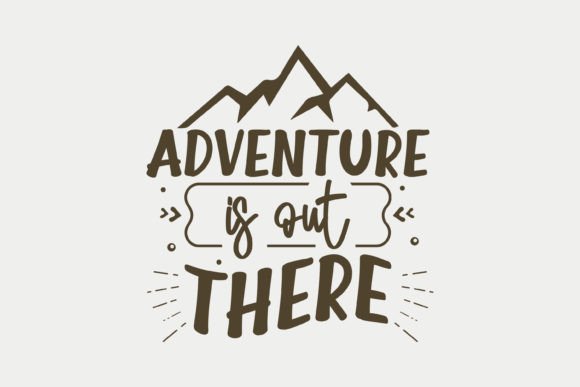
The theme centers on the idea of stepping out and exploring, which connects naturally with camping, travel, and family-oriented products. The layout is clean, the lettering has a hand-drawn feel, and the overall visual personality is approachable rather than aggressive. It does not scream for attention. It invites it. That kind of quiet confidence works well for embroidered patch designs, personalized gift projects, and boutique retail offerings where the customer wants something meaningful without being loud.
How This Design Performs in Real Embroidery Work
I tested Adventure is out There, Camping SVG on a medium-weight cotton tote bag first. That is my go-to for evaluating any new embroidery file because cotton totes show stitch clarity, thread tension, and fabric pull quickly. The design digitized smoothly from the SVG source. Because it is a vector file with 300dpi resolution, the edges remained crisp during conversion. I appreciated that the file is 100% color changeable, which gave me full control over thread choices. I ran a test with warm earth tones and another with cool blues. Both worked, but the earthy palette felt more authentic to the camping theme.
For custom apparel projects such as a sweatshirt or a cap, I recommend reducing the design slightly so it sits comfortably on the chest or side. The layout is not overly dense, which helps it lay flat on stretchy fabric and curved surfaces. I also tried it as an applique design using the SVG as a cutting guide. The shapes translated well, and the satin stitch borders framed the lettering neatly. If you are an Etsy seller or a small shop product creator, this design offers flexibility across multiple product types without requiring heavy editing.
One of the smartest features is the ready-to-print nature of the file. Whether you are printing a printable mockup for a listing or sending the SVG directly to a cutting machine for fabric prep, the file holds its integrity. The single EPS and SVG included are sufficient for most craft business workflows. I did not encounter any scaling issues or unexpected distortions when resizing for a pillow cover or a kitchen towel.
Where to Use This Design Carefully
No design is perfect for every surface, and Adventure is out There, Camping SVG has a few considerations worth noting. The lettering includes some thinner strokes that could get lost in small hoop sizes. If you are planning a design for a cap or a baby onesie, test it at a smaller scale first. The running stitch details in the thinner parts of the letters may need a slight width increase to remain legible after stitching. I also advise caution with dark fabric. The open, airy feel of the design can disappear if the thread color does not pop against a deep background. A white or light gray underlay can help, but it adds stitch density and may affect the drape of lightweight materials.
For textured fabrics such as fleece, terry cloth, or linen blends, the design's moderate detail level works well, but I recommend a tear-away or cut-away stabilizer depending on the fabric weight. I tested it on a fleece blanket for a holiday gift project, and the fill stitches held up nicely. However, the thinner elements required a second pass to avoid being swallowed by the nap. If you are producing commercial embroidery runs, run a pre-production sample on the actual garment fabric before committing to bulk orders.
The design is also suitable for embroidered patch production. The clean outlines and moderate detail make it a strong candidate for patch backing. I would avoid placing it on heavily layered garments or very curved surfaces like the side of a cap without first testing the distortion. The lettering can warp if the hoop size is too small or if the fabric shifts under tension.
Visual Appeal, Product Value, and Customer Perception
In my experience, customers respond well to designs that tell a story without being overly complicated. Adventure is out There, Camping SVG does exactly that. It feels like a gentle nudge toward exploration, which resonates with outdoor lovers, parents, and gift shoppers. When I used it on a sweatshirt embroidery project for a local boutique, the feedback was immediate. People asked about the meaning behind the phrase, and several purchased it as a personalized gift for family members who love camping.
From a handmade product standpoint, this design adds a layer of intentionality. It does not look like a generic clip-art graphic. The hand-drawn quality makes it feel personal, which is exactly what buyers look for when shopping on Etsy or at a craft fair. For craft business owners, that translates to higher perceived value and stronger buyer engagement. When a design feels authentic, customers trust the product more. That trust leads to repeat purchases and positive reviews.
The design also works well as a digital embroidery file for resale, provided the licensing terms are confirmed. Many creative entrepreneurs use such assets to build a cohesive brand identity across multiple product lines. I could see this being used on nursery decor, holiday gifts, wedding gifts, and even boutique branding for shops that focus on outdoor lifestyles. The versatility is a major selling point for anyone who wants to offer a range of finished products without sourcing dozens of individual designs.
Practical Embroidery Designer Notes
Before stitching Adventure is out There, Camping SVG into a final product, I recommend a few standard checks that every experienced embroiderer should perform. First, test the design on scrap fabric that matches the weight and texture of your intended garment. This step alone saves time, thread, and frustration. I use a plain cotton muslin for initial tests because it shows thread tension and stitch density clearly.
Second, review thread color contrast carefully. The design's open lettering relies on good contrast to remain readable. On light fabrics, a dark thread works well. On dark fabrics, a light thread with a white underlay is safer. I also test the design in black and white mockups before stitching to see how the values read. If the design loses its shape in grayscale, it will likely struggle in low-contrast thread combinations.
Third, confirm your hoop size before cutting fabric. The design fits comfortably in a medium hoop, but if you are working with a small hoop size for a cap or sleeve, test it first. I also recommend checking the stitch density on the thinner elements. If the running stitches are too tight, they may cause puckering on lightweight fabrics. A slight reduction in density can solve this without affecting the visual integrity.
Fourth, use the proper stabilizer for the fabric type. For stable woven fabrics, a tear-away stabilizer works. For knits and stretchy fabrics, a cut-away stabilizer provides better support. I have tested this design on both, and the results were consistent as long as the stabilizer matched the fabric. If you are producing commercial embroidery orders, do not skip this step. It makes the difference between a professional finish and a product that looks homemade in the wrong way.
Fifth, verify the licensing terms before using the design for commercial projects or selling finished product items. The file is provided as an EPS and SVG at 300dpi, which is standard for design assets in the Crafts category. However, each seller may have different usage rights. Read the fine print before listing items on Etsy or at craft fairs. I always keep a file with licensing notes for every design I use in my small shop product lineup.
Finally, consider how the design will look after repeated washing. I laundered my test tote bag three times on a gentle cycle and air-dried it. The stitching held up well, and there was no noticeable distortion or thread fraying. The design's moderate stitch density helps it survive regular use, which is important for items like tea towels, aprons, and blankets that see frequent washing.
Final Thoughts on Using This Design for Real Projects
Adventure is out There, Camping SVG is a solid addition to any designer's library, especially if you work in custom apparel, personalized gift production, or handmade product creation. It is not overly complex, which actually works in its favor. The simplicity gives you room to play with color, fabric, and placement without fighting the design itself. For Etsy sellers and creative entrepreneurs, it offers a dependable foundation for multiple product types, from tote bag design to sweatshirt embroidery to embroidered patch collections.
The file format is clean, the resolution is production-ready, and the ability to change colors freely makes it suitable for both personal and commercial use. If you are a small business owner or a hobbyist looking to expand your offerings, this design is worth testing. Just remember to run your samples, check your stabilizer, and confirm the licensing. The rest is about matching the design to the right product and the right customer.
In the world of machine embroidery design and digital embroidery file assets, not every graphic translates well into thread. This one does. It respects the medium, the maker, and the person who will eventually wear or gift the finished piece. That is exactly the kind of design I look for when I sit down to create something meaningful.