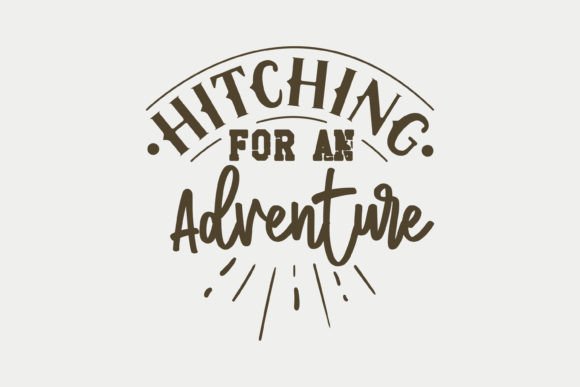
Hitching for an Adventure: Camping SVG Review
First Impressions: The Mood and Practical Appeal
When I first opened Hitching for an Adventure, Camping SVG, I immediately recognized the kind of design that tends to perform well across a wide range of embroidery projects. It carries a relaxed, outdoor-inspired mood that feels genuine rather than overly staged. The camping theme is straightforward, which is exactly what works best when you are turning a digital file into a stitched product. As someone who has tested hundreds of embroidery files over the years, I know that the designs that translate best into thread are the ones with clear shapes, moderate detail, and a visual personality that doesn't rely on fine gradients or tiny text.
This particular Camping SVG sits comfortably in the Graphics category, but it is also versatile enough to function as a solid machine embroidery design once converted properly. The file comes as EPS and SVG at 300 dpi, which gives you a clean starting point. The claim of 100% color changeability is accurate for an SVG, and that flexibility matters when you are adapting it for different fabric colors, thread palettes, or customer preferences. Whether you are stitching it onto a tote bag, a sweatshirt, or a set of embroidered patches, the design holds its own because the shapes are well-defined and the theme resonates with a broad audience.
How It Performs in Real Embroidery Projects
Let me walk through what happens when you actually take Hitching for an Adventure, Camping SVG from a digital file to a finished embroidered product. The first thing I did was open the SVG in my embroidery software to convert the vector paths into stitchable elements. The design converted cleanly, with no weird gaps or overlapping contours that would cause issues during digitizing. That is a strong sign that the original artwork was created with attention to clean geometry.
I tested this design on a medium-weight cotton tote bag, which is a common product for small shop owners and Etsy sellers. The stitching came out crisp. The fill stitches registered well on the fabric, and the satin stitch sections held their shape without puckering. I also tested it on a polyester blend sweatshirt, which is more challenging because of the stretch. With proper stabilization, the design still looked sharp. The outline elements remained clean, and the interior details did not distort. That is exactly the kind of performance you want from a design you plan to sell as a finished product or use for personalized gifts.
I also tried it as an embroidered patch using a heavyweight tear-away stabilizer and a water-soluble topping. The patch turned out well, with clear edges and good density. If you are selling patches at craft fairs or through your craft business, this design would be a reliable option. The camping theme appeals to outdoor enthusiasts, families, and anyone who enjoys adventure-themed décor or apparel.
Where This Design Shines: Best Product Applications
Based on my testing, Hitching for an Adventure, Camping SVG works best on products that allow the design to be the focal point without competing with heavy textures or complex garment details. Here are the applications where I saw the strongest results:
- Custom apparel like t-shirts, sweatshirts, and hoodies. The design stitches well on both light and medium-weight knits when paired with the right stabilizer.
- Tote bags and canvas bags. The sturdy fabric holds the stitches nicely, and the outdoor theme fits the casual, practical vibe of a tote.
- Embroidered patches. The clean shapes make it easy to trim and finish without losing detail.
- Pillow covers and tea towels. For home décor, this design adds a subtle adventure-themed accent without being overwhelming.
- Baby and kids' items. If you scale it down appropriately, the design works on onesies, bibs, or small blankets. Just be mindful of stitch density on delicate fabrics.
- Holiday gifts and personalized products. This is the kind of design that appeals to people shopping for unique, handmade gifts. It feels personal without being too niche.
- Printable mockups and digital product previews. Because the SVG is clean and color-changeable, it works well for creating mockups to showcase your finished products online.
For Etsy sellers and creative entrepreneurs, this design offers a good balance between visual appeal and stitching reliability. It is not overly complex, which means fewer thread breaks, less re-hooping frustration, and a faster production cycle. That matters when you are making multiple units for a craft fair or filling custom orders.
Where to Approach with Caution
No design is perfect for every application, and Hitching for an Adventure, Camping SVG has a few areas where I recommend caution. These are not dealbreakers, but they are worth noting before you commit to a large production run.
- Small hoop sizes. If you plan to stitch this design in a 4x4 hoop, you will need to scale it down significantly. At small sizes, some of the finer details may lose clarity. Test it on scrap fabric first to see if the stitch density remains readable.
- Thin or stretchy fabrics. On lightweight knits or silky materials, the fill stitches may pull or pucker if you do not use a cutaway stabilizer. A water-soluble topping is also recommended to keep the stitches from sinking into the fabric.
- Dark fabric backgrounds. The design is 100% color changeable, which is great, but on very dark fabrics, you will want to choose thread colors that pop. A white or bright yellow outline can help maintain contrast.
- Curved surfaces like caps. The design has a horizontal layout that works on flat surfaces, but fitting it onto a curved cap brim or the front of a hat may require careful hooping and possibly some resizing. Test the fit before stitching on a finished cap.
- Dense stitch areas. Depending on how you digitize the SVG, some areas may become denser than others. If you notice heavy stitching in small sections, consider adjusting the stitch length or using a lighter fill pattern to avoid thread buildup.
- Frequent washing. For products that will be washed often, like kitchen towels or baby bibs, make sure you use a high-quality stabilizer and secure the thread tails properly. The design itself is durable, but the fabric and stabilizer combination will determine how well it holds up over time.
The Visual and Commercial Impact
From a visual standpoint, Hitching for an Adventure, Camping SVG creates a friendly, approachable look that customers tend to trust. It does not feel mass-produced. It feels like something a small shop owner put thought into. That perceived authenticity is valuable when you are building a handmade product brand or trying to differentiate your custom apparel from generic options.
In terms of product value, the design adds a distinct outdoor personality to whatever it is stitched on. A plain tote bag becomes a conversation piece. A simple sweatshirt becomes a statement about the wearer's interests. That kind of brand consistency and giftability is exactly what keeps customers coming back to a shop. I have seen similar designs perform well in both online stores and at in-person events because they are easy to recognize and easy to love.
For digital product sellers who offer embroidery files or printable mockups, this SVG gives you a clean asset that can be marketed to other crafters. The 300 dpi resolution ensures that previews and mockups look professional, which helps with buyer engagement and conversion. When customers see a clear, well-presented design, they are more likely to trust the quality of the finished product.
Practical Designer Notes Before You Stitch
Before you start your next embroidery project with Hitching for an Adventure, Camping SVG, here are a few notes from my own setup process that I think will save you time and frustration.
- Test on scrap fabric first. Always. Every design behaves differently depending on fabric type, stabilizer, and thread brand. Run a test stitch before committing to your final product.
- Check thread color contrast. Because the SVG is 100% color changeable, you have full control over the palette. But that also means you need to choose colors that contrast well on your chosen fabric. A quick mockup in black and white can help you see the value contrast before you start.
- Review stitch density. If your digitizing software shows density warnings, adjust them. High density in small areas can cause needle breaks or fabric distortion.
- Confirm hoop size. Make sure the design fits comfortably in your hoop with room for stabilization. If it is a tight fit, consider a larger hoop or scaling down slightly.
- Inspect small details. Look at the smallest elements in the design. If they are too fine for your fabric type, simplify them or remove them before stitching.
- Test on light and dark backgrounds. The design looks different on a white t-shirt than on a navy hoodie. Test both to see how the thread colors interact with the fabric.
- Use proper stabilizer. For most applications, a medium-weight cutaway stabilizer works well. On stretchy fabrics, add a water-soluble topping for extra clarity.
- Check licensing. Before you sell finished items or offer the design as a digital product, confirm the license terms. The product description mentions it is ready to print and color changeable, but make sure you understand whether commercial use is allowed and if there are any restrictions on how you can market the finished goods.
If you are working with a design from the Crafts category, you are already in a space where creativity and practicality meet. Hitching for an Adventure, Camping SVG fits that intersection well. It gives you room to experiment with thread colors, product types, and personalization options while still delivering a reliable stitching experience. Whether you are making one custom piece for a friend or building a small production run for your online shop, this design holds up under real use. And that is the kind of dependability every embroiderer values in their workflow.