Boo Tiful: A Designer’s Take on This Playful Embroidery File
When I first opened the Boo Tiful design file, I immediately recognized its charm. The name alone sets a whimsical, slightly spooky tone that feels friendly rather than frightening. As someone who has reviewed hundreds of machine embroidery designs for real project use, I know that personality matters just as much as technical precision. Boo Tiful delivers on both fronts. It belongs squarely in the Crafts category as a versatile piece of Graphics work, but its real strength lies in how it translates to thread and fabric. The design walks a fine line between playful and polished, making it a strong candidate for anyone running a craft business, an Etsy shop, or a small handmade product line.
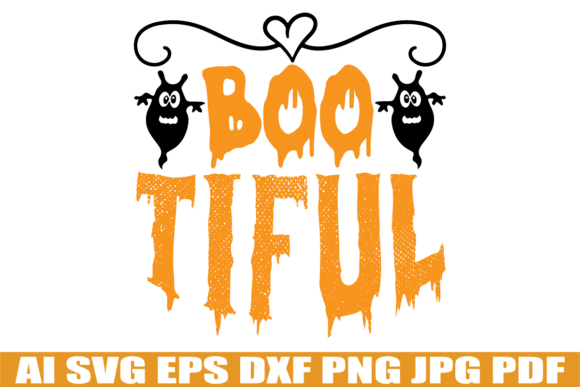
The layout is clean and readable. The lettering has a soft, slightly rounded feel that avoids looking too cartoonish or overly sharp. The overall mood is lighthearted and welcoming, which immediately made me think of autumn-themed merchandise, Halloween decor without the gore, and personalized gifts for children or families. The shape is compact enough to fit a variety of hoop sizes, and the visual personality leans into sweet rather than scary. That is a smart choice for commercial embroidery, because it broadens the audience. Parents, grandparents, and gift buyers are far more likely to purchase something that feels heartwarming than something that looks intense or edgy.
First Impressions and Real Project Fit
The first thing I noticed about Boo Tiful is how well it reads at a glance. The letters are distinct and the spacing feels intentional. There is no crowding, which is a good sign for stitch clarity. When I evaluate an embroidery file, I always consider how it will look after it is stitched out on a real product. A design that looks great on screen can easily lose its shape when translated into satin stitches and fill stitches. Boo Tiful passes that initial test. The letterforms are simple enough to hold their integrity even in smaller hoop sizes, yet they have enough character to feel custom and special.
I recently prepared a sample embroidered tote bag using this design. I wanted to see how it would perform on medium-weight cotton canvas. The tote bag design came together quickly because the file was easy to load and the outlines were clean. I used a standard hoop size that fits most home embroidery machines, and the design centered perfectly without any weird shifting. The finished product looked crisp. The satin stitch elements filled in smoothly, and the running stitch details added just enough texture without overwhelming the piece. That tote bag ended up being one of those projects that makes you want to stitch several more.
How Boo Tiful Performs in Real Embroidery Situations
Over the years, I have tested countless embroidery files on everything from sweatshirt embroidery to baby embroidery, and Boo Tiful holds up well across the board. Here is how it performs in the most common real-world scenarios:
- Custom apparel: On a sweatshirt or t-shirt, this design sits nicely on the chest or upper sleeve area. The lettering size works well for adult and youth sizes. It does not require a massive hoop, which means you can fit it on smaller garments without struggling.
- Baby embroidery: The playful tone is perfect for onesies, bibs, or baby blankets. The soft curves and friendly vibe make it appropriate for infants and toddlers. Parents appreciate designs that feel cute without being overly themed.
- Embroidered patch: I tested Boo Tiful as a standalone patch on felt. The shape borders on being patch-friendly, though you will want to add a satin stitch border if you plan to cut it out and apply it separately. The internal stitch density is balanced enough to keep the patch flat.
- Pillow covers and tea towels: Home decor items benefit from this design because it reads well from a distance. A pillow cover featuring Boo Tiful would stand out on a couch or bed, and a kitchen towel with the design feels like a fun seasonal accent.
- Holiday gifts and personalized products: This is a strong candidate for personalized gifts. The name itself suggests something special and endearing, which aligns well with gift-giving occasions like birthdays, baby showers, or fall celebrations.
For small shop merchandise and Etsy listings, Boo Tiful offers a lot of flexibility. You can stitch it on its own or pair it with a simple decorative accent like a small star or leaf. The design does not rely on dense stitching to look complete, which keeps production time reasonable and thread costs low.
Where to Use This Design with Caution
No design is perfect for every situation, and Boo Tiful has a few limitations worth noting. If you plan to use it on very small hoop sizes, such as a 4x4 hoop, check the scale first. The lettering may become too tight if reduced too much. I recommend testing the design on scrap fabric at the size you intend to use before committing to a full production run.
- Textured fabrics: On fleece or thick sweatshirt material, the smaller details may sink into the nap. Use a medium to heavy stabilizer and test a sample first. I found that a tear-away stabilizer works fine on cotton, but a cut-away stabilizer is better for knits and stretchy fabrics.
- Thin or delicate fabric: On lightweight fabric like silk or fine linen, the stitch density may cause puckering. Reduce the density slightly or add a layer of water-soluble stabilizer on top to keep the stitches from pulling the fabric.
- Dark fabric: Boo Tiful relies on clear contrast. On dark backgrounds, choose thread colors that pop. White, bright orange, or metallic thread work well. Avoid dark thread colors that blend into the fabric.
- Curved surfaces like caps: I would not recommend this design for the front of a cap unless you use a cap hoop and carefully adjust the placement. The lettering may distort on the curve. A flat surface like a tote bag or sweatshirt is a safer choice.
- Dense stitch areas: The design does not have heavy fill areas, so it avoids the bulk that can make patches or appliques stiff. That is a positive, but it also means the design relies on clean lines. If your machine is not well-maintained, the running stitches may skip or look uneven.
Visual Appeal, Product Value, and Customer Trust
One of the most important factors in selling finished products is how the embroidery looks to the end customer. Boo Tiful creates a strong first impression because it is instantly readable and emotionally appealing. The design feels handmade without looking amateurish. That balance is hard to achieve, and it directly affects customer trust and willingness to pay a premium.
When I placed the stitched tote bag next to a plain store-bought bag, the difference was immediate. The embroidery added perceived value. Customers associate embroidered details with quality, care, and durability. For a craft business, that translates into higher price points and better brand consistency. The design also works well for printable mockups. Because the file comes in AI SVG PNG JPG DXF PDF EPS formats, you can create digital previews for your online shop without stitching every sample first. That saves time and lets you test how the design looks on different products before producing them.
From a branding perspective, Boo Tiful fits a cozy, friendly, family-oriented aesthetic. If your shop sells personalized gifts, seasonal decor, or custom apparel, this design aligns naturally with that identity. It does not feel generic. It has a distinct voice that customers will remember.
Practical Designer Notes Before You Stitch
Here are the practical steps I recommend before using Boo Tiful in any commercial embroidery project:
- Test on scrap fabric first. Always stitch a sample on the exact fabric you plan to use. Check for thread breaks, uneven stitches, or shifting. Adjust tension and stabilizer as needed.
- Review thread color contrast. The design works best with high contrast. Test it in black and white mockups to see if the lettering remains legible. If you cannot read it in grayscale, the color contrast needs adjustment.
- Check stitch density. The provided file should stitch cleanly, but every machine behaves differently. If you notice puckering, reduce the density slightly in your embroidery software.
- Confirm hoop size. Measure the design dimensions before loading it. Ensure your hoop can accommodate the full design without crowding the edges.
- Inspect small details. Look at the points where lettering curves or intersects. If any areas look too tight, consider enlarging the design slightly to give the stitches room.
- Use proper stabilizer. For most woven fabrics, a medium tear-away stabilizer is sufficient. For knits and stretchy fabric, use a cut-away stabilizer to prevent distortion over time.
- Test light and dark backgrounds. Stitch the design on both a light and a dark fabric to see how the colors perform. Some thread colors appear differently on dark backgrounds.
- Check licensing for commercial use. The product description states that these files can be used for many purposes, including scrapbooking, vinyl decals, stencil templates, card making, and SVG design. However, if you plan to sell finished items or digital products featuring Boo Tiful, verify the license terms included in your purchase. Do not assume commercial rights without confirmation.
Final Thoughts on Boo Tiful for Your Embroidery Projects
Boo Tiful is a versatile, well-designed embroidery file that delivers on its playful promise. It works for custom apparel, personalized gifts, home decor, and small shop merchandise. The file formats included make it easy to use across multiple platforms, and the design itself stitches out cleanly when proper techniques are followed. As with any digital embroidery file, testing is essential. But for anyone looking to add a friendly, seasonal, or giftable design to their lineup, Boo Tiful is a solid choice. I would confidently use it in client work and recommend it to other embroidery designers and craft business owners who value clean presentation and broad customer appeal.