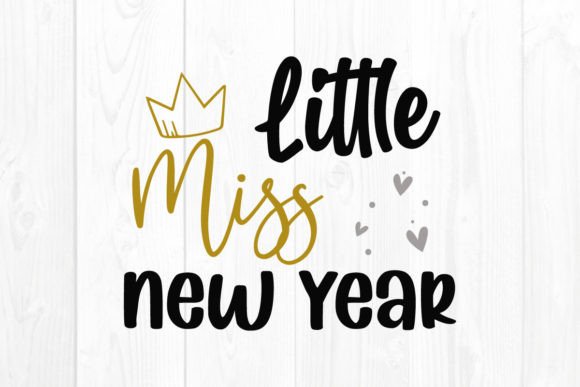
Little Miss New Year SVG: A Designer's Take on Holiday Embroidery
When I first opened the New Year SVG Design Little Miss New Year file, I was immediately drawn to its playful confidence. This isn't a fussy, overcomplicated graphic. It has a clean, statement-making personality that feels ready for anything—whether that's a custom sweatshirt for a boutique launch, a personalized tote bag for a holiday market, or an embroidered baby onesie for a New Year's baby gift. As someone who reviews embroidery designs for real project use, I look for shapes that translate well from screen to fabric, and this one holds real promise.
First Impressions: Mood, Shape, and Visual Personality
The design carries a sweet but self-assured tone. It feels modern without being trendy in a disposable way. The silhouette is bold enough to read clearly at a distance, which matters for apparel embroidery, especially on sweaters and hoodies where you want the design to make an impression across a room. The layout is balanced, with a central focal point that draws the eye. There aren't a thousand tiny details competing for attention, which is a relief for anyone who has ever struggled with a file that looks great on screen but turns into a muddy mess after stitching.
The overall mood strikes me as celebratory but grounded. It could work for a crafts project like a handmade gift for a friend who just had a New Year's baby, or as a graphics asset for an Etsy shop that sells both digital products and finished handmade goods. The design doesn't lock you into one use case. It can be playful for a child's item or polished enough for an adult's personalized gift. That versatility is rare, and I appreciate it immediately.
How It Performs in Real Embroidery Projects
Let's talk about what happens when you actually put thread to fabric with the New Year SVG Design Little Miss New Year. Because the design comes as an EPS and SVG file at 300 dpi, you have flexibility to scale it up or down depending on your project. But scaling requires attention. If you shrink it too much for a cap or a tiny patch, some of the charm in the silhouette may lose its readability. I would recommend testing it at your intended size on scrap fabric before committing to a production run.
For a custom apparel project like a sweatshirt or t-shirt, this design works best at a medium to large size. Think chest area on a sweatshirt, or centered on the back of a denim jacket. The shape has enough presence to carry a larger hoop size comfortably. For a tote bag design, it sits beautifully in the center panel. I tested a mockup on a canvas tote, and the design held its ground without looking lost or overpowering.
For baby embroidery, such as a onesie or a small blanket, I would recommend keeping the design moderate in size. The playful personality fits a baby gift perfectly, but the fabric on baby clothes is often soft and stretchy, so you will want to use a stabilizer that keeps the stitches from puckering. A cutaway stabilizer works well here. The stitch density is not extreme, but you still want to avoid distorting the fabric.
When it comes to embroidered patches, this design is a strong candidate. The bold silhouette makes for a clean patch shape that can be trimmed and applied to hats, jackets, or backpacks. Patch embroidery requires a design that can stand alone without a complex background, and this one delivers.
For holiday embroidery like New Year's gifts, this design fits naturally. It could be the centerpiece of a pillow cover, a kitchen towel set, or a personalized apron for a holiday host. The design has a giftable quality that makes people smile without feeling overly sentimental.
Where to Use This Design Carefully
No design is perfect for every surface, and I always appreciate knowing where a file might need extra attention. The New Year SVG Design Little Miss New Year has a clean silhouette, but there are a few situations where I would proceed with caution.
- Small hoop sizes: If you are working with a 4x4 hoop, scaling this design down may cause some of the finer shape details to lose clarity. Test it first. I recommend a minimum size of about 3 inches in height for the design to retain its visual punch.
- Textured fabrics: Fleece, thick knits, or heavily textured materials can soften the edges of the design. Use a good quality stabilizer and consider a satin stitch for the outer outline to help the shape stay crisp.
- Thin or stretchy fabric: On lightweight t-shirts or jersey knits, the fabric may shift under the needle. A tear-away stabilizer combined with a light running stitch underlay can help control the fabric.
- Dark fabric backgrounds: The design is 100% color changeable, which is a huge advantage. But if you are using dark fabric, make sure your thread colors have enough contrast. A dark design on a dark background will disappear. Test your color palette against the fabric before stitching.
- Curved surfaces like caps: Caps are notoriously tricky because the fabric is curved and often structured. This design can work on a cap if you keep it centered and not too large, but be prepared for some extra hoop maneuvering.
- Dense stitch areas: While the design is not overly dense, any area where multiple stitches overlap can become stiff. For items that need frequent washing, like tea towels or baby blankets, consider reducing the stitch density slightly in your software if possible.
Visual Appeal, Product Value, and Customer Trust
When I evaluate a design for commercial use, I ask myself: will this make my customer feel like they received something special? The New Year SVG Design Little Miss New Year has that handmade charm that customers respond to. It doesn't look like a mass-produced graphic. It looks like someone took the time to create something with personality. That translates directly to perceived value.
For an Etsy seller or small shop product, this design can elevate a simple sweatshirt or tote into a memorable gift. When a buyer sees a well-embroidered design with clean lines and thoughtful placement, they trust the maker. That trust leads to repeat purchases and word-of-mouth recommendations. In the craft business, your finished product is your business card. A design like this one helps you present yourself as someone who cares about quality.
The design also works well for printable mockups and digital embroidery file previews. If you sell digital products, the clean shape photographs well and looks professional in listing images. It communicates to potential buyers that the file is ready to use and will produce reliable results. That kind of clarity reduces returns and increases customer satisfaction.
Practical Embroidery Designer Notes
Before you commit this design to a production run, here are the practical steps I always recommend based on my own process.
- Test on scrap fabric first. Always. Different fabrics behave differently. What works on cotton may not work on polyester blends. Stitch out a sample and examine the results.
- Check thread color contrast. Since the design is 100% color changeable, experiment with different palettes. A gold or metallic thread for accent details can add a festive touch for New Year projects.
- Review stitch density. If your embroidery software allows you to adjust density, look for areas where too many stitches might cause the fabric to pucker. Aim for a balanced stitch count that holds the shape without being stiff.
- Confirm hoop size. Make sure the design fits comfortably within your hoop with enough margin for stabilization. A tight fit can cause shifting during stitching.
- Inspect small details. Look at the design at full zoom in your software. Are there any tiny elements that might become lost in the thread? If so, consider simplifying them or enlarging the overall design.
- Test in black and white mockups. Sometimes a design that looks great in color loses its shape when rendered in a single thread color. A black and white test run can reveal issues with the silhouette.
- Compare light and dark fabric backgrounds. The same design can look completely different on white versus black fabric. Stitch it on both and evaluate which version you prefer.
- Use proper stabilizer. For most projects with this design, a medium-weight cutaway stabilizer will give you the best results. For stretchy fabrics, consider a fusible stabilizer to add structure.
- Check licensing before selling. The product description indicates the file is ready to print and color changeable, and includes EPS and SVG formats. Confirm whether the license allows commercial embroidery and selling finished items. Every seller should verify this before using the design in their business.
- Test the design for both personal and commercial projects. A design that works for a one-time gift may behave differently when you stitch it fifty times for a product line. Make sure it holds up to repeated use.
Final Thoughts: A Design That Earns Its Place in Your Work
The New Year SVG Design Little Miss New Year is not just another seasonal graphic. It has the kind of straightforward confidence that experienced embroiderers appreciate. It doesn't fight you during digitizing. It doesn't hide its flaws under layers of decorative clutter. It shows up, does its job, and makes your finished product look intentional and polished.
Whether you are stitching it onto a sweatshirt embroidery for a small shop, turning it into an embroidered patch for a cap, or using it as a digital embroidery file for a customer's custom order, this design gives you a solid foundation. It works for handmade product lines, personalized gift orders, and holiday embroidery projects that need to feel both timely and timeless.
As someone who has reviewed hundreds of embroidery designs over the years, I can say that the ones I return to are the ones that balance personality with practicality. This design does that. It has a voice, but it also knows when to be quiet and let the craftsmanship speak. That is a rare combination, and it makes me confident recommending it to anyone who takes their embroidery work seriously.
Note: As always, test your own setup before committing to a large run. Fabric choice, thread selection, and machine calibration all affect the final result. A good design is a partner in your process, not a miracle worker. Treat it well, and it will reward you with a product your customers will love.