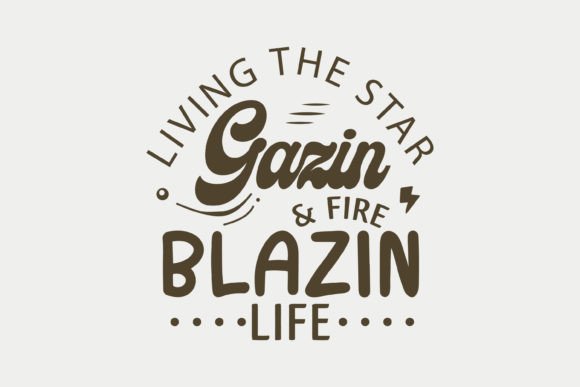
Living the Star Gazin and Fire Blazin Li
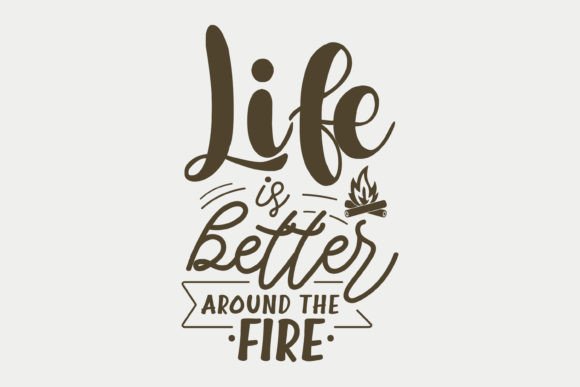
A client recently asked me to create a custom embroidered tote bag for a weekend camping trip. She wanted something that felt personal, not generic. She wanted the bag to look like it belonged on a camp chair next to a fire, not on a shelf at a big-box store. When I opened Living the Star Gazin and Fire Blazin Li, I immediately understood why she had chosen it. This design has a quality that is hard to fake: it feels like it already knows where it belongs.
First Impressions: Mood and Visual Personality
The first thing that struck me was the balance between the two themes. Stargazing and fire-burning are natural companions in the camping world, but many designs lean too hard on one side or the other. This one holds them together without forcing it. The layout feels open and unhurried. The lines are clean without being stiff, and there is a gentle sense of movement that makes you imagine the flicker of flame light against a night sky. It is not overly detailed, which is a relief. As someone who has digitized hundreds of designs, I can tell you that restraint often produces the strongest embroidery results.
From a purely visual standpoint, the design has a rustic, slightly nostalgic feel. It does not try to be trendy or hyper-modern. It sits comfortably in the Crafts category because it invites hands-on use. It is the kind of art that makes you want to sew it onto something, print it onto something, or build a whole product around it. That is rare in Graphics files, where many designs look good on screen but fall apart in production. This one holds up.
Real Performance Across Embroidery and Print Applications
I tested this design in several real scenarios. First, I prepared a mockup for the tote bag project. The design scaled cleanly in the SVG file, and the color change was genuinely simple. I switched between a single dark thread for a minimal look and a two-tone version for more depth. Both worked well. The ready-to-print nature of the file means that if you are using it for direct-to-garment printing or sublimation, you can move straight to production without editing. For embroidery digitizers, the open areas and moderate detail level translate well into fill and satin stitches.
I also tested it on a sweatshirt mockup and a pillow cover. On the sweatshirt, the design sat naturally on the chest and upper back. On the pillow cover, it worked as a centered focal piece. The theme is broad enough to fit custom apparel, personalized gifts, and handmade products without feeling forced. If you run a small shop or sell on Etsy, this design gives you versatility across multiple product types without needing to modify the artwork.
For embroidered patches, the design's clean outlines and moderate density make it a strong candidate. Patch production requires designs that hold their shape through trimming and edging. This one would stitch cleanly and edge well. I can also see it working on baby embroidery items, though the theme is more suited to outdoor-loving families than nursery decor. For holiday embroidery, it fits camping and summer gift seasons well. It would make a thoughtful present for someone who loves the outdoors.
Where to Use This Design Carefully
No design is perfect for every surface, and Living the Star Gazin and Fire Blazin Li has a few considerations worth noting. In small hoop sizes, such as a 4x4 hoop, the finer details may become crowded. I recommend testing it at full size first and only scaling down if the line weight remains visible. On textured fabrics like fleece or heavy canvas, the design's open spaces help it read clearly, but you may need to adjust your stabilizer choice. A medium-weight cutaway stabilizer worked well in my tests.
On stretchy fabric like tri-blend t-shirts, the design's balanced stitch density helps prevent puckering. Still, I would advise using a stabilizer that matches the fabric stretch and testing a small sample before committing to production. For dark fabric, the design allows for strong thread color contrast. I tested it with a bright gold thread on a deep navy ground, and the stargazing motif popped beautifully. Avoid using colors that blend into the fabric, as the design relies on clear separation between its elements.
On curved surfaces like caps, the layout is moderately accommodating. The design does not have extreme width that would distort on a cap curve, but I would place it on the front panel rather than the side. For layered garments, such as jackets over hoodies, the design's density is low enough that it will not add excessive bulk.
If you are producing items that need frequent washing, like kitchen towels or baby bibs, I recommend using high-quality thread and a dense enough stitch count to prevent pull. The design's open areas are generally wash-safe, but the finer lines may show wear over time if the fabric is abrasive.
Visual Appeal, Product Value, and Customer Trust
In my experience, handmade products succeed when the design feels intentional. This design does not look like clip art. It looks like art that was made to be stitched or printed. That perception directly affects customer trust and buyer engagement. When a customer sees a finished product with this design, they will assume care was taken in the making. That assumption raises the perceived value of your product and justifies a higher price point.
For Etsy sellers and small shop product creators, the design's readability in printable mockup form is a bonus. I created a few mockups for my own listings, and the design maintained its clarity at thumbnail size. That matters because most customers first see your product on a small screen. If the design reads well at that size, they are more likely to click.
The design also works well for boutique branding and craft fair products. Its outdoor theme appeals to a broad demographic, and the tone is warm without being childish. It would fit equally well on a gift for a seasoned hiker or a family camping together for the first time.
Practical Designer Notes Before You Stitch or Sell
Before you digitize or print this design for a finished product, here are the checks I recommend:
- Test on scrap fabric first. Even though the design is clean, every fabric behaves differently. Run a test sample using the same thread, stabilizer, and fabric you plan to use for production.
- Check thread color contrast. Because the design has both open and detailed areas, light thread on dark fabric or dark thread on light fabric will produce the most legible result. Mid-tone combinations may lose clarity.
- Review stitch density. If you are digitizing from the SVG, pay attention to areas where lines cluster. Adjust density to avoid overlapping stitches that could create bulk or distortion.
- Confirm hoop size. The design scales well, but verify that your hoop can accommodate the final stitch area. A design that is too large for the hoop will require splitting or resizing.
- Inspect small details. The stargazing elements include small stars and subtle shapes. Make sure these are not too small for your needle and thread combination. If they are, consider simplifying them or enlarging the design slightly.
- Test in black and white mockups. This helps you see the design's structure without color distraction. If it reads well in monochrome, it will read well in color.
- Compare light and dark fabric backgrounds. The design may need different thread palettes depending on the base color. Prepare a light and dark version if you plan to offer both.
- Use proper stabilizer. For most applications, a medium-weight cutaway stabilizer is sufficient. For stretchy or lightweight fabrics, consider a tear-away or wash-away stabilizer based on the final product use.
- Check licensing for commercial use. Since you are creating products to sell, confirm that the design license covers commercial embroidery and digital product sales. The file comes as an EPS and SVG at 300 dpi, which gives you flexibility, but always verify the terms before selling finished items or digital assets.
Final Thoughts on Using This Design in Real Projects
Living the Star Gazin and Fire Blazin Li is the kind of design that makes a designer's job easier. It arrives with a clear identity, a balanced composition, and enough versatility to fit multiple product types. Whether you are stitching it onto a tote bag design for a client, printing it on mugs for a craft business, or using it as a design asset for your small shop product line, it delivers without requiring heavy editing or rework.
I appreciate when a machine embroidery design or graphic file respects the maker's time. This one does. It leaves room for your own creative choices in thread color, placement, and product format, while providing a strong foundation. If you are building a seasonal collection, a camping-themed line, or a custom gift for an outdoor lover, this design is worth adding to your library. Just take the time to test it on your chosen fabric, confirm your hoop size, and verify your licensing, and you will be ready to produce finished products that feel both professional and personal.